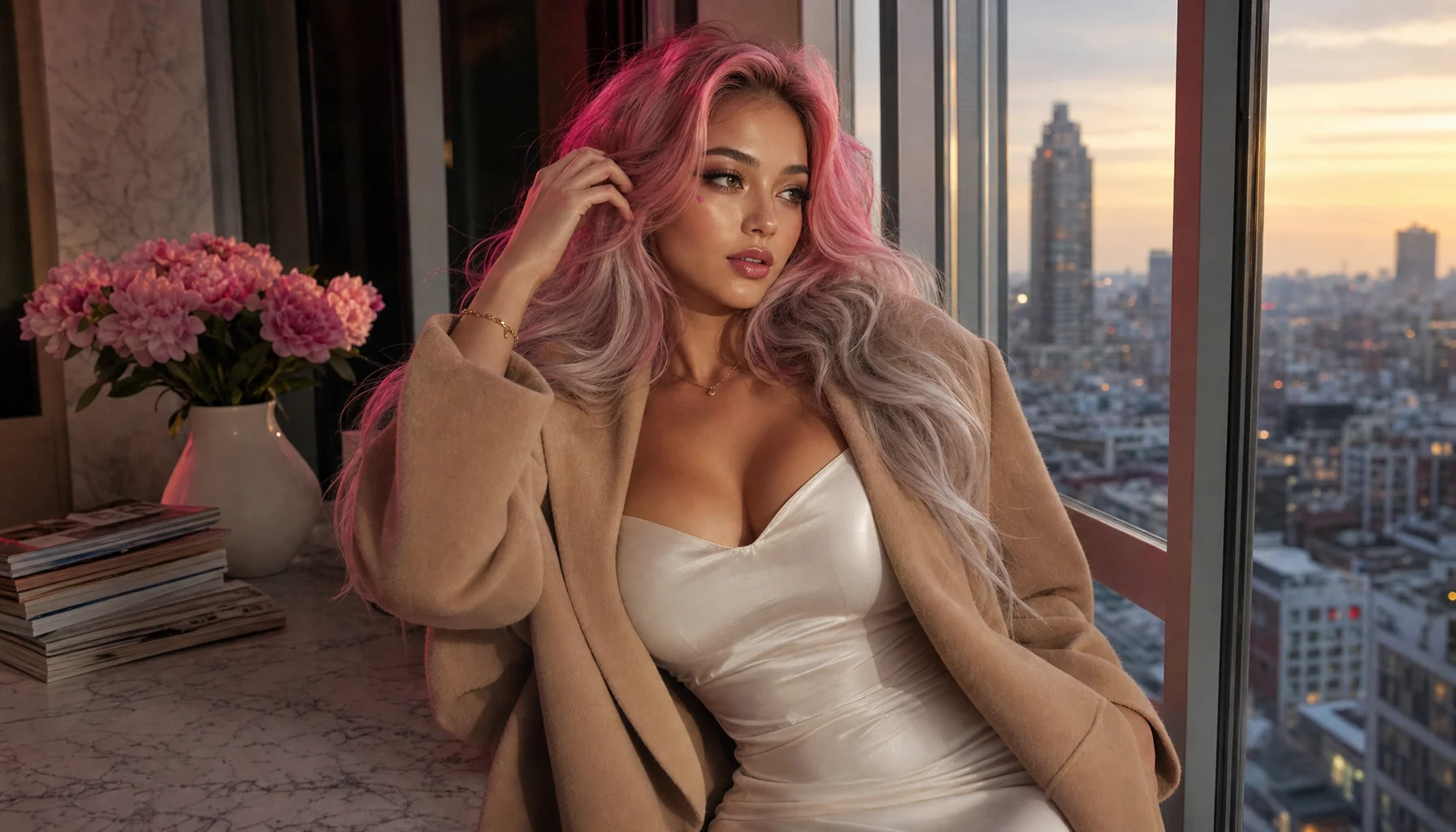
Quiet luxury is a style built on refusal. Refusal of the visible logo, the aggressive status signal, the outfit that announces itself before you enter the room. What remains is material quality, precise tailoring, and a palette so neutral it almost disappears — until you look closely and realize the cashmere is extraordinary, the cut is exact, and nothing needs a label to justify its presence. That is the quiet luxury aesthetic: value communicated through craft, not branding.
It is not minimalism for its own sake. It is restraint with intention.
Where the look comes from
The lineage runs through old European money and its allergy to new-money ostentation — a sensibility that associated visible logos with insecurity rather than status. But the contemporary iteration has a cleaner origin point: the Brunello Cucinelli aesthetic of the 1990s and 2000s, which codified the grammar so precisely it became a reference point for the entire category. Soft cashmere in stone and oat tones, Italian tailoring without a single piece of visible branding, investment-grade fabrics that wear beautifully for decades. Cucinelli was not making a trend statement. He was making an argument about what dressing well actually means.
The internet named it “stealth wealth” around 2022 and turned it into a moodboard shorthand — beige trench, white shirt, half-tuck, sensible loafer, no hardware. That accelerated the look into mainstream awareness, but the underlying sensibility had been operating quietly for a generation before anyone put a hashtag on it.
How to read it
The signals are specific and learnable. Start with fabric weight: quiet luxury reads in the hand before it reads in the eye. Wool that holds its structure without stiffness, cashmere that falls rather than clings, linen that softens over time rather than pilling — these are the textiles. The palette runs from ivory and oat through camel and stone to charcoal, with occasional dark navy as the only real colour. Contrast is tonal, not graphic.
Fit is everything. A camel coat in this register sits exactly on the shoulder, breaks at the hand, and does not gap at the chest. A half size off in either direction collapses the whole register into something that just looks beige rather than intentional. The silhouette is relaxed but structured — not oversized, not fitted, but precisely calibrated.
Hardware is the tell. Quiet luxury removes it. Gold chains are out. Visible zippers are suspect. Even buttons lean toward horn or matte black over polished metal. If an accessory is making noise, it is not in the edit.
If I had to arrange these signals in order of consequence: fabric earns the read before fit does, fit before hardware discipline, and palette — for all the attention it receives — is the last variable I would worry about, because the most exacting neutrals cannot save a synthetic weave or a seam that wanders.
How Lucella wears it
I approach quiet luxury the way I approach a well-edited moodboard: through subtraction. My version is not a strict adherence to European old-money signifiers — it runs through an Asian-luxury filter, which means I trade the tweed heritage references for Japanese and Italian fabrication, and I keep my palette warmer. Cream over cold white. Warm camel over grey. The hardware discipline stays absolute.
What I refuse in this register: anything that uses the quiet luxury label to justify beige boredom. Restraint is not flatness. A well-chosen ivory ribbed knit tucked into wide-leg tailored trousers is architecture — the proportions do the work that a logo might otherwise do. I also refuse the ironic version, the one that performs nonchalance with conspicuous investment pieces as a different kind of flex. The point is not to be seen trying. The point is not to be trying.
Think of it this way: quiet luxury is not a capsule wardrobe — it is a standard of attention. You apply it to whatever you already own by asking one question before each piece enters your rotation: does this earn its place through quality and proportion, or is it relying on a name to do the work? The answer edits your wardrobe for you.
The look is not for everyone, and I mean that as the highest compliment to the people it is for.